Everything You Required to Find Out About Windshield Tinting for Your Lorry
Windscreen tinting is a functional enhancement for cars, offering numerous advantages that several owners may forget. It supplies benefits like UV defense and temperature control. However, the choices available are substantial, and the legal landscape can be confusing. Recognizing the sorts of colors and setup procedures is necessary for making informed choices. As the conversation unfolds, it becomes clear that there is far more to contemplate before waging windshield tinting.
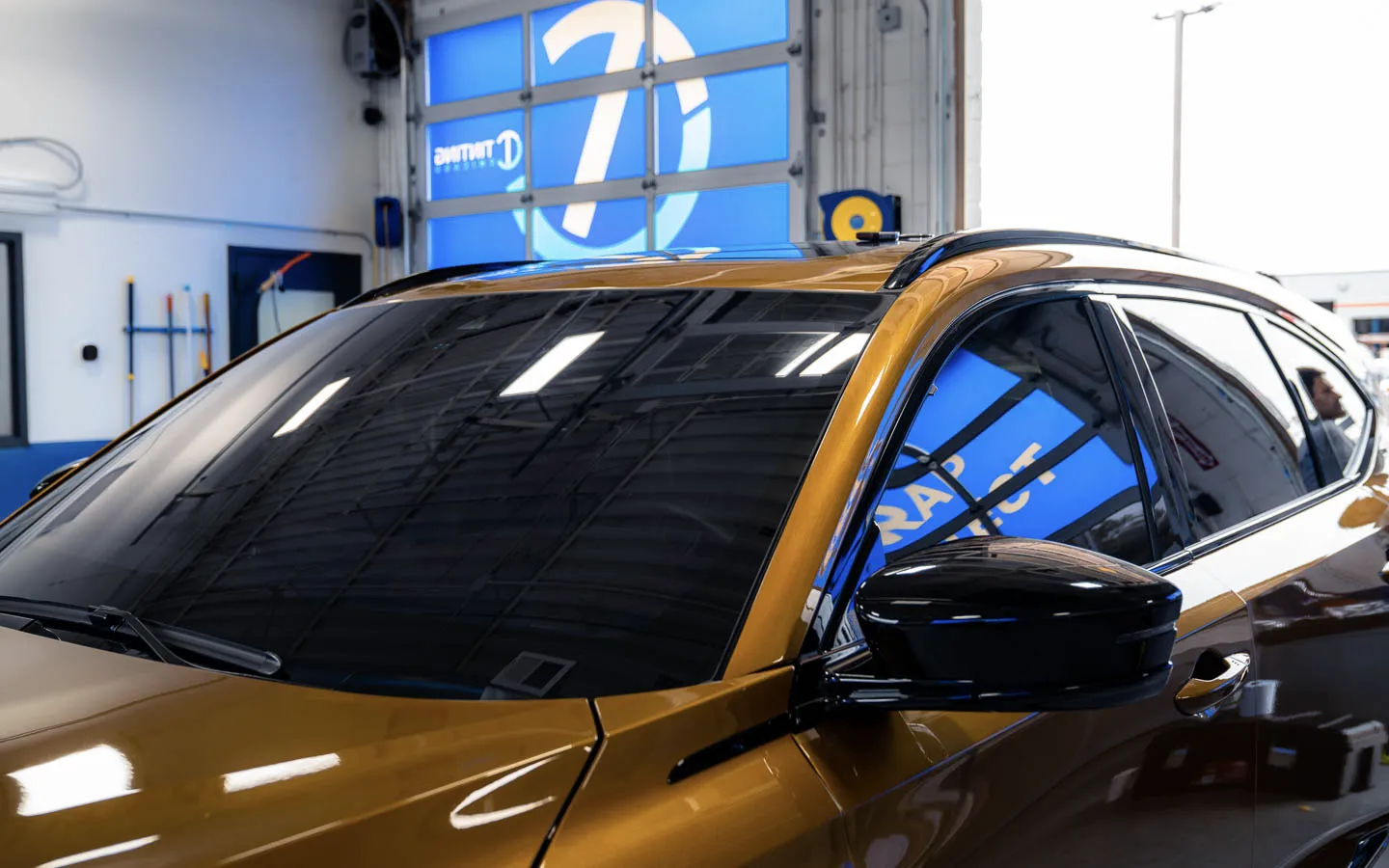
Benefits of Windshield Tinting
Some car owners may ignore windshield tinting, its benefits are considerable. One of the main advantages is enhanced UV protection. Colored windscreens can block as much as 99% of dangerous ultraviolet rays, reducing the risk of skin damages for guests and preserving the vehicle's interior from fading and cracking. Windshield tinting can improve driving convenience by minimizing glare from the sun, which can be a security threat. This reduction in glow enables much better presence and a much more satisfying driving experience.Additionally, windscreen tinting contributes to temperature control within the automobile. By mirroring sunlight, it helps keep a cooler cabin, leading to reduced dependence on air conditioning and boosted gas efficiency. Privacy is another benefit, as colored windshields provide a degree of cover-up from prying eyes, enhancing safety for individual belongings. Overall, the advantages of windscreen tinting make it a worthwhile factor to consider for automobile owners.
Kinds Of Windshield Tints
When picking windscreen colors, car owners run into a range of alternatives, each offering distinctive features and advantages. Windshield Tinting Newark. One of the most typical kinds include dyed, metalized, and ceramic colors. Colored tints are prominent for their aesthetic allure and ability to minimize glow, but they might discolor gradually. Metalized tints include tiny metal particles that improve warm rejection and rise durability, although they can disrupt digital signals. Ceramic colors are understood for their high performance, offering exceptional UV protection and warmth rejection without signal disturbance, making them a costs option. Furthermore, some producers offer hybrid choices that integrate the benefits of metalized and dyed colors, providing a balance of appearances and functionality. Each type of tint varies relating to cost, performance, and look, enabling car owners to select based upon their particular requirements and choices. Comprehending these choices is essential for making a notified choice
Lawful Laws for Windscreen Tinting
Legal policies pertaining to windscreen tinting differ considerably by state, with each territory enforcing particular exposure requirements. Conformity with these laws is important to prevent lawful fines, which can consist of fines or requireds to eliminate non-compliant tinting. Understanding the nuances of these policies can help lorry proprietors make notified decisions regarding their tinting options.
Tinting Regulations by State
What regulations control windscreen tinting across the USA? Windscreen tinting legislations differ substantially from one state to another. Each state develops specific guidelines relating to the allowable levels of color darkness, the sorts of movies enabled, and the locations on the windscreen where tinting can be applied. For example, some states permit a specific percentage of Visible Light Transmission (VLT) for the upper windscreen strip, while others might have stricter constraints or straight-out bans. Furthermore, states may differ in their enforcement of these legislations, with some permitting exemptions for clinical reasons. Car owners must acquaint themselves with their state's policies to stay clear of penalties and assurance compliance when thinking about windscreen tinting alternatives for their automobiles.
Exposure Requirements

Legal Fines for Violations
Failure to stick to windshield tinting laws can lead to significant lawful penalties for automobile owners. A lot of states implement particular regulations relating to the allowed tint percent and reflectivity on windshields. Infractions might result in fines, which can vary widely relying on the jurisdiction. Sometimes, police may release a citation, needing the vehicle proprietor to fix the tinting within a defined timeframe. Repeated offenses may cause increased fines or also factors on the chauffeur's certificate. Additionally, improperly tinted windscreens can result in the car stopping working examinations, potentially bring about further charges. It is crucial for vehicle owners to familiarize themselves with neighborhood regulations to stay clear of unnecessary legal issues and warranty conformity with tinting regulations.
Installation Process and Tips
Setting up windshield tint needs cautious prep work and interest to information to safeguard a specialist finish. The process begins with selecting the proper color film that abides by regional laws. When picked, the vehicle needs to be parked in a tidy, dust-free atmosphere to minimize contaminants during installation.Next, the windshield has to be thoroughly cleansed to get rid of any kind of dirt, grease, or residues that could hinder adhesion. Utilizing a spray bottle loaded with a mixture of water and a couple of decreases of soap can assist lube the surface prior to using the tint.The film is then carefully gauged and cut to fit the windshield, permitting a slight overlap at the sides. After placing the film, it should be squeegeed to remove air bubbles and safe and secure appropriate adherence. Trimming the excess movie and enabling it to treat are vital actions for a smooth finish.
Upkeep and Look After Tinted Windshields
Keeping colored windshields is necessary for protecting their look and performance over time. Normal cleaning is essential; utilizing a soft microfiber towel and a gentle auto glass cleaner assists avoid scratches and preserves clarity. It is a good idea to prevent ammonia-based cleaners, as they can weaken the tint.Additionally, routine evaluations for any kind of indications of gurgling or peeling needs to be carried out. Resolving these concerns without delay can prevent additional damages. Car parking in shaded areas or making use of sunshades can help this article reduce sunlight exposure, minimizing the threat of fading.Furthermore, chauffeurs ought to beware when using tools or accessories that might inadvertently call the colored surface area. Careful handling, particularly when cleansing or using safety movies, can extend the lifespan of the tint. By complying with these Source upkeep techniques, lorry owners can guarantee their tinted windshields remain both functional and visually appealing for many years to find.
Usual Misconceptions Concerning Windscreen Tinting
Many false impressions border windscreen tinting, specifically concerning legal restrictions and the efficiency of warm reduction. Comprehending the actual legislations regulating color degrees can aid lorry proprietors make educated choices (Windshield Tinting Newark). Furthermore, it is necessary to clear up just how much heat tinting can really reduce inside a lorry
Lawful Limitations Described
What are the typical misunderstandings surrounding the lawful constraints of windshield tinting? Numerous individuals believe that any degree of color on a car's windshield is permissible, leading to complication and prospective fines. Actually, regulations vary significantly by state, with particular regulations determining the allowable percent of visible light transmission (VLT) Some read this post here think that darker colors offer complete personal privacy; nevertheless, this frequently brings about lawful consequences if the tint exceeds neighborhood limits. In addition, mistaken beliefs exist concerning the kinds of tint movie that are legal; for circumstances, reflective colors may have stricter laws. Comprehending these legal parameters is essential for automobile owners to ensure and avoid charges compliance while accomplishing their desired aesthetic.
Warmth Decrease Misconceptions
Many misunderstandings border the performance of windscreen tinting in minimizing warmth inside vehicles. A typical misconception recommends that all tints considerably reduced temperatures, however performance varies by the type and high quality of the movie used. Furthermore, some think that darker colors constantly provide much better warm decrease; nevertheless, progressed metallic and ceramic movies can offer premium performance without extreme darkness. Another mistaken belief is that tinting only obstructs sunlight; in truth, it can likewise show infrared rays liable for warmth. Ultimately, several assume that windshield tinting is only useful in warm climates, overlooking its benefits in lowering warmth also in cooler areas. Comprehending these myths is necessary for customers to make educated choices regarding windshield tinting.
Often Asked Questions
Will Windshield Tinting Affect My Vehicle's Resale Value?
The impact of windscreen tinting on a vehicle's resale value differs. Some possible customers might appreciate the added privacy and UV defense, while others could watch it as an adjustment that diminishes the car's appeal.
Can I Use Tint Over an Existing Factory Color?
Using tint over an existing manufacturing facility tint is possible, yet it might lead to difficulties such as peeling or gurgling. It is necessary to consult an expert to guarantee the very best results and adherence to legal policies.
The Length Of Time Does Windscreen Tint Last?
Windscreen tint usually lasts between 5 to ten years, depending upon the quality of the movie, installment, and environmental aspects. Correct maintenance can expand its life expectancy, maintaining both appearance and performance against UV rays and warmth.
Is Windshield Tinting Safe for All Kinds Of Vehicles?
Windscreen tinting safety varies by lorry kind and local policies. While lots of lorries can take advantage of tinting, certain versions or problems may restrict its application, requiring cautious factor to consider of lawful restrictions and manufacturer guidelines.
Can I Eliminate Windscreen Tint Myself if Needed?
Removing windshield tint can be a challenging task. It needs mindful techniques to prevent harming the glass. Many people choose expert aid, yet experienced DIYers may efficiently finish the procedure with the right devices and perseverance. Each state develops certain guidelines pertaining to the allowable levels of tint darkness, the kinds of movies permitted, and the areas on the windscreen where tinting can be applied. In addition, some states restrict any tinting on the windshield other than for a supplier's color band at the top. Some presume that darker tints offer complete personal privacy; nonetheless, this frequently leads to legal repercussions if the color goes beyond regional limits. Additionally, misunderstandings exist concerning the types of tint film that are legal; for circumstances, reflective colors may have more stringent guidelines. Applying tint over an existing manufacturing facility tint is possible, yet it may lead to complications such as bubbling or peeling off.